Four things we build, all of them running in production today.
Content platforms your marketing team runs without a developer, AI agents that answer the calls and chats those platforms create, multi-tenant SaaS products, and rescue work for sites that shipped fast and broke. You own the code, the accounts and the content from day one.
- 6
- Live sites you can open
- 5.0
- Rated across Upwork, Fiverr and Trustpilot
- 100+
- Languages running in production
- 3 years
- Longest client relationship, still live
Headless CMS development
From brief to live page without a developer in the loop, and without the brand drifting.
- Content modelling
- A design system, not one-off pages
- Live preview and approvals
- SEO controls on every page type
- Speed as a budget, not a hope
- More than one language
- Integrations that fail loudly
- Training, and the keys from day one
- Prismic
- Sanity
- Storyblok
- Payload
- Contentful
- Next.js
- Astro
- Nuxt
- TypeScript
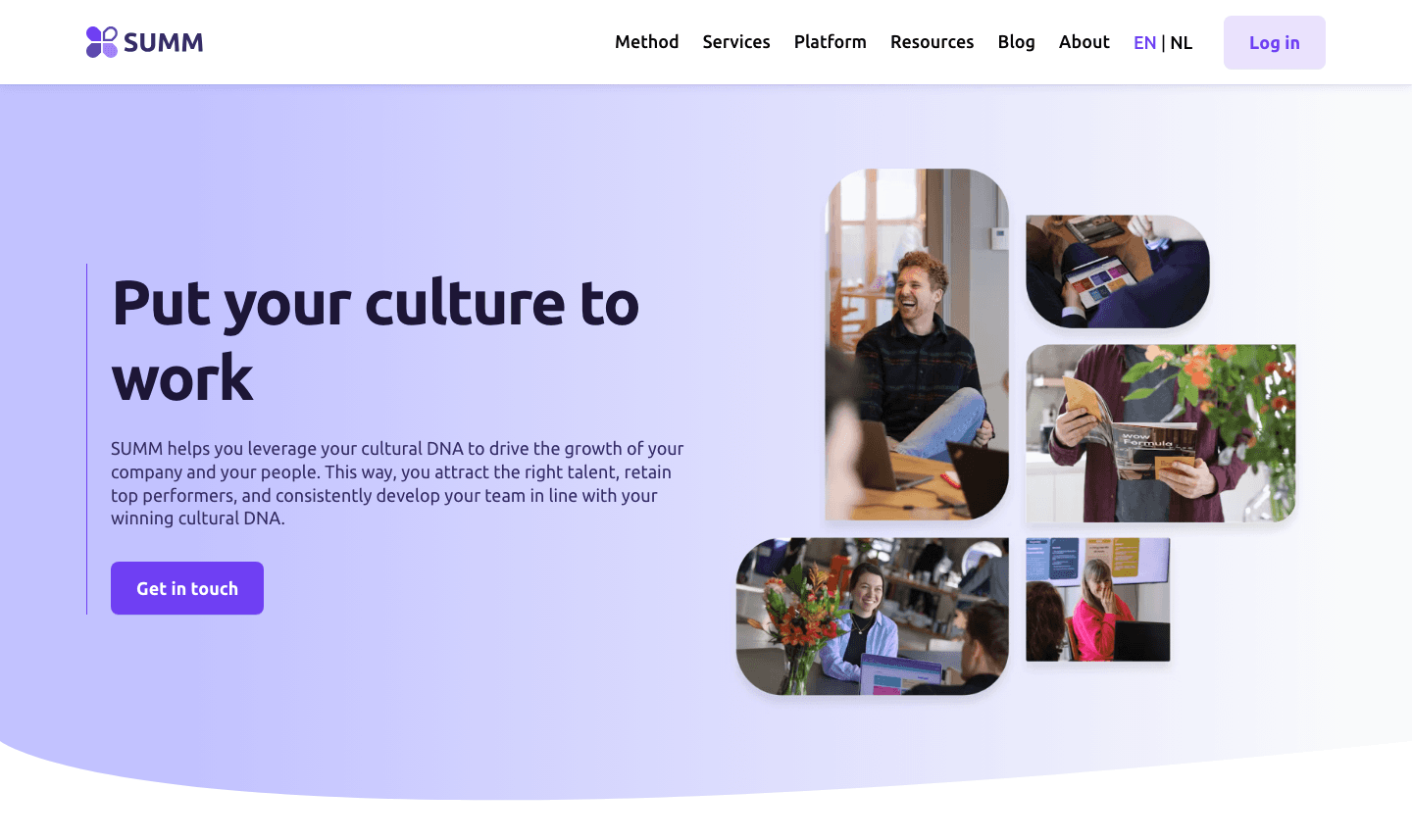 0developers needed to publish, in two languages, since 2023SUMMsumm.nlRead the case study
AI agents and generative AI
Inbound answered in seconds, around the clock, in the languages your customers actually use.
- Phone agents
- Chat and email agents
- Languages most vendors cannot hold
- Live in weeks, not quarters
- Grounding and retrieval
- Actions, not just answers
- Evaluation and guardrails
- AI inside your existing product
- Phone
- Web chat
- Messenger
- OpenAI
- Anthropic
- Vapi
- pgvector
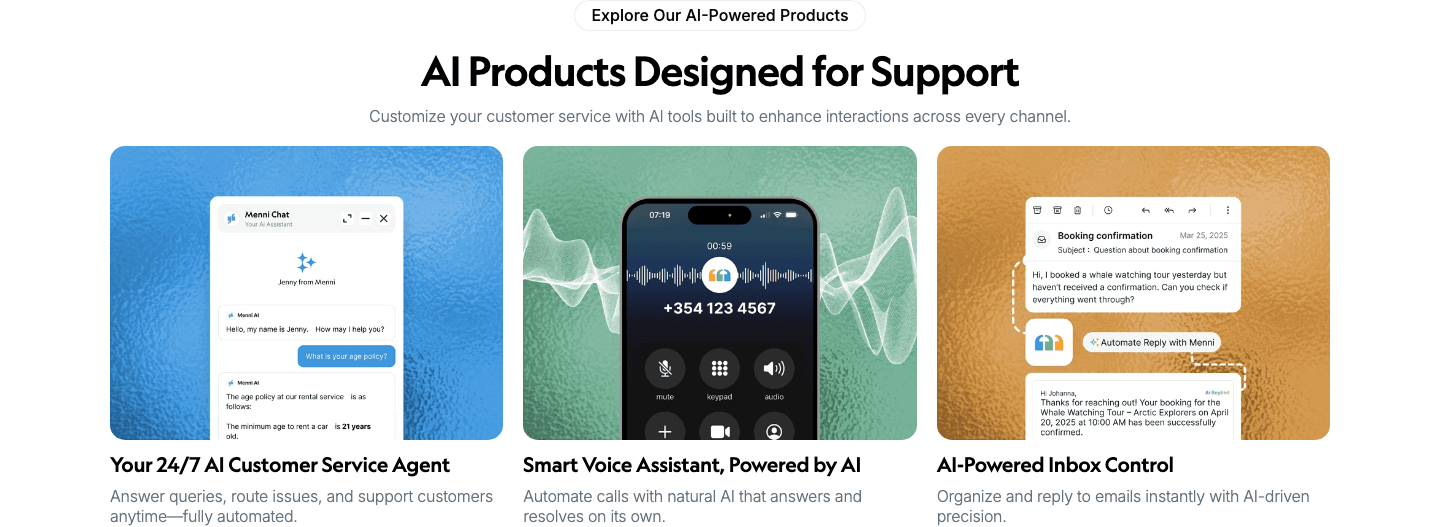 70%+of phone calls handled end to end, in fluent Icelandic, since 2024Menni.aimenni.aiRead the case study
SaaS platform engineering
A product that can take on an enterprise customer without a rewrite first.
- Multi-tenant architecture
- The operator surface
- Billing and entitlements
- Auth and access control
- Security reviews you can pass
- You can see what it is doing
- Ready for the AI layer
- The parts nobody demos
- Next.js
- TypeScript
- Supabase
- Neon Postgres
- Drizzle
- Clerk
- Better Auth
- Vercel
- Sentry
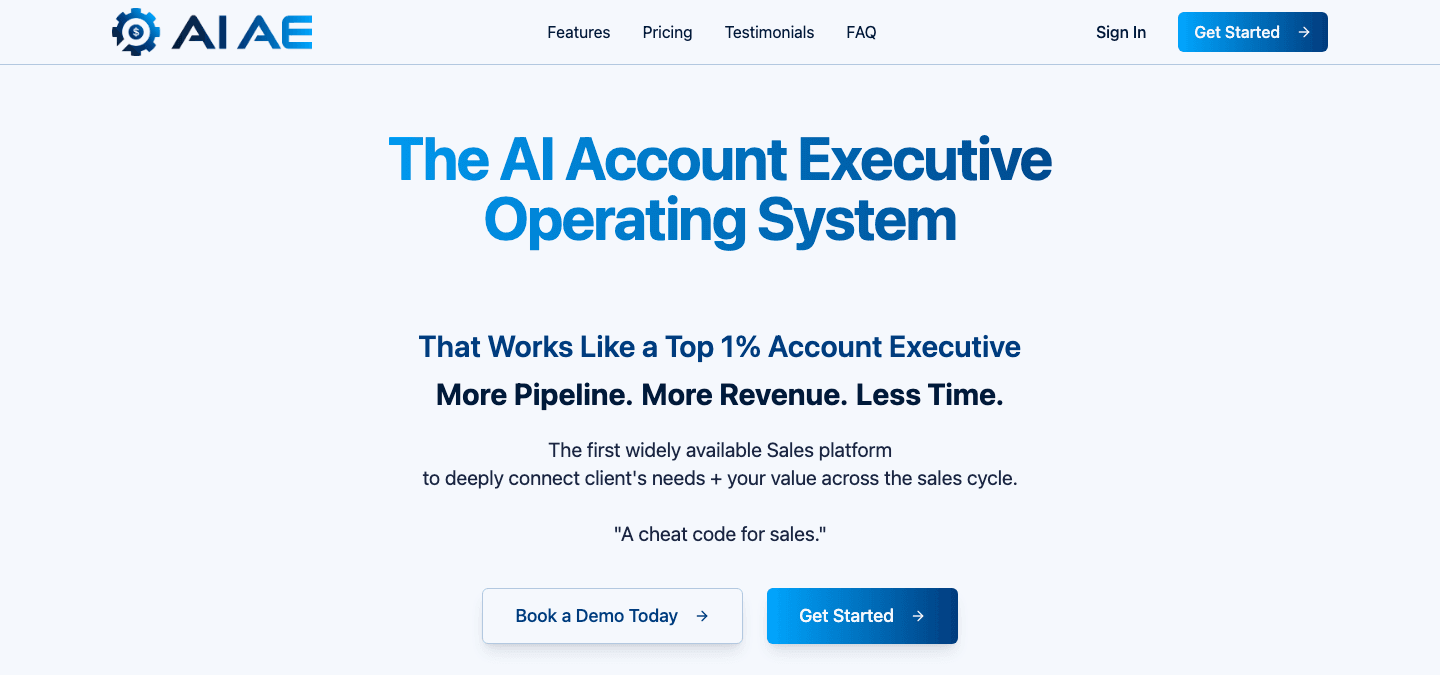 ~5 minto research and write, down from around 60AI Account Executiveaiaccountexecutive.comRead the case study
Replatform and rescue
Off the old stack with your rankings, your content and your traffic intact.
- Route-by-route audit
- Redirect map, agreed first
- Information architecture
- Performance and accessibility
- The content layer it never had
- Your content comes across, not just your pages
- No dark day on the switchover
- Monitoring after launch
- WordPress
- Webflow
- Squarespace
- Wix
- Drupal
- Lovable
- v0
- Claude Code
- Next.js
- Astro
- Prismic
- Sanity
- Payload
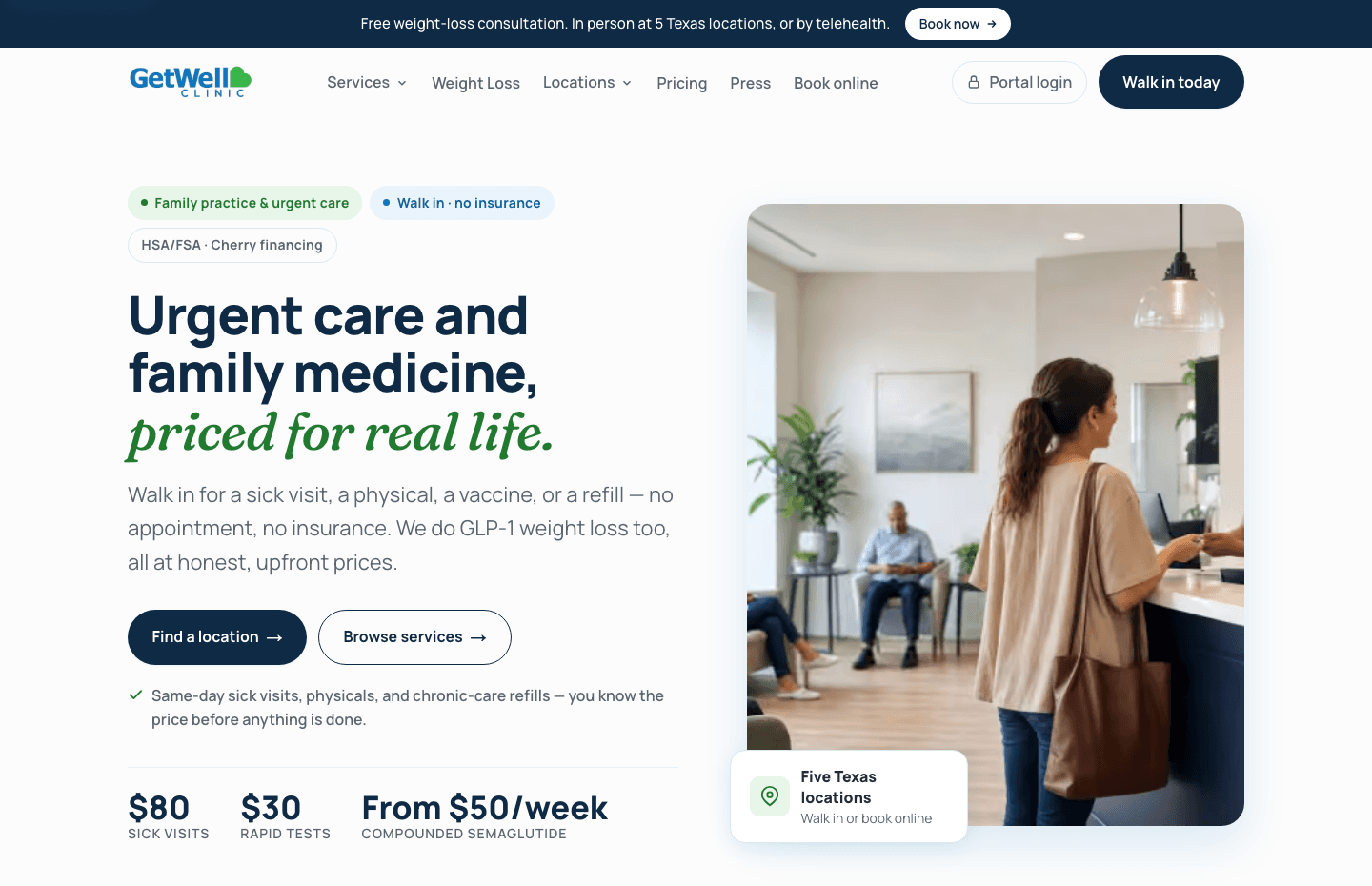 0legacy URLs left to 404, across a full 18-route rebuildGet Well Clinicgetwellclinic.comRead the case study
Four steps, and you can stop after any of them.
Each one ends in something you keep, so none of them obliges you to buy the next. Most engagements start at step one, and a few start at step three.
- 01
Diagnose
An audit of what you actually have, every finding numbered and evidenced.
A prioritised report, yours either way
- 02
Decide
Platform, framework and content model chosen with you. We recommend what fits, because we resell nothing.
The decision, argued in writing
- 03
Build
Shipped in stages you can watch, on your repository and your accounts from the first commit.
The thing itself, and the keys
- 04
Run
Ranking and index monitoring, agent evaluation, editor support, the next market.
A quarterly report on your own data
We are a good fit, or we say so early.
We would rather disqualify ourselves on the first call than discover the mismatch three months in.
- Your website or your inbound is a real acquisition channel, not a brochure
- You sell in more than one language, or you are about to
- You want to own the code, the accounts and the content outright
- You have been burned once, by a rebuild that lost traffic or a pilot that never shipped
- You are optimising for the lowest hourly rate
- You want an AI demo for a pitch deck rather than something that runs on Monday morning
- You expect an agency to hold your code as a retention strategy
Questions, answered.
The things people ask on the first call, answered here so the call can be about something else.
01What is a headless CMS, and do we need one?
A headless CMS stores your content and serves it over an API instead of rendering pages itself, which means the content and the website can change independently. You need one when your team publishes often, when the same content has to appear in more than one place, or when you want to be able to rebuild the front end in five years without touching the content. You do not need one for a five-page site that never changes, and we will tell you that on the call rather than sell you one.
02Do we have to use Next.js?
No. Next.js is the right answer often enough that it is our default, but it is not the only one. Astro is usually better for content-heavy marketing sites where almost nothing is interactive, and Nuxt makes sense when your team already works in Vue. Because the CMS is headless, the front-end choice is genuinely reversible later — that is much of the point of building this way, and it is why this service is not named after a framework.
03Which headless CMS should we choose?
It depends on who edits, how often, and how much structure your content really has. Editor-first teams usually do better on Prismic or Storyblok because of visual editing. Teams with developers in the loop and unusual content shapes tend to do better on Sanity or Payload. We publish a full public comparison of every platform we work with, including the ones we do not recommend, and the decision gets made with you rather than for you.
04Will a rebuild cost us our search rankings?
Only if the redirects are discovered rather than designed. We inventory every URL that currently resolves, map each one to its destination before the build starts, carry the schema and metadata across, and monitor index coverage afterwards. On Get Well Clinic that meant restructuring eighteen indexed URLs into a twenty-four page hierarchy with none left returning 404.
05Can we start with an AI agent without rebuilding the site first?
Yes, and some clients should. An agent is grounded in your content wherever that content already lives, so it does not need a replatform in front of it. Menni started with agents and no website rebuild; SUMM was the reverse. The order is a path, not a prerequisite.
06How long does a build take?
Six to twelve weeks for a focused build, and twelve to twenty for multi-market, commerce or custom workflow work. The variable that moves it most is not page count but how many genuinely different page types there are, and whether the content is written and approved before the build starts.
07What does it cost?
There is no honest flat rate, because the price is driven by the shape of what you already have. Four things move it: how many genuinely different page types there are rather than how many pages, how much content already exists and is approved, what the site has to connect to, and whether a second language is in scope. We scope it from a paid audit and then fix the price before anyone writes a line, so the number you approve is the number you pay.
08Who owns the code and the accounts?
You do, from day one rather than on final invoice. The repository is on your GitHub from the first commit, the hosting and database sit in your accounts, and the content lives in a CMS you can leave with. We build on open, widely used tools deliberately, so any competent team can take it over. Your safety net is ownership rather than a promise.